


More than 220,000 industry professionals are attending Light + Building 2026, turning the global design event into a meeting point for architecture, fashion, and craftsmanship. The light that inspires designers, the cut that defines the man. Kiton at Light + Building 2026.
Key Takeaways
| Question | Answer |
|---|---|
| What does “Designer’s Light, Tailor’s Cut” mean? | It describes how lighting reveals the depth, color, and craftsmanship of finely tailored garments. |
| Why is Kiton central to this concept? | Kiton represents the precision of Neapolitan tailoring, where light construction and hand finishing define the silhouette. |
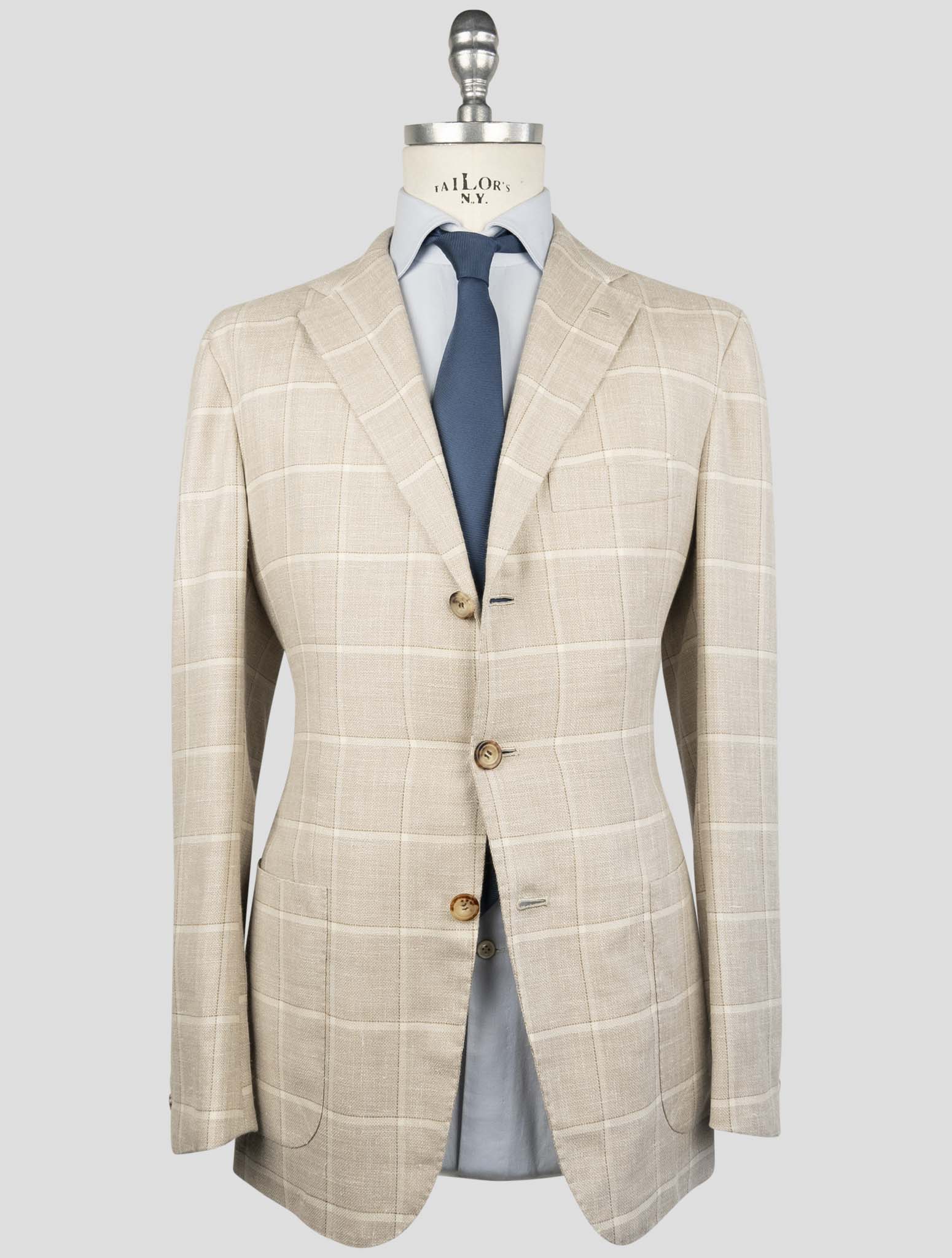
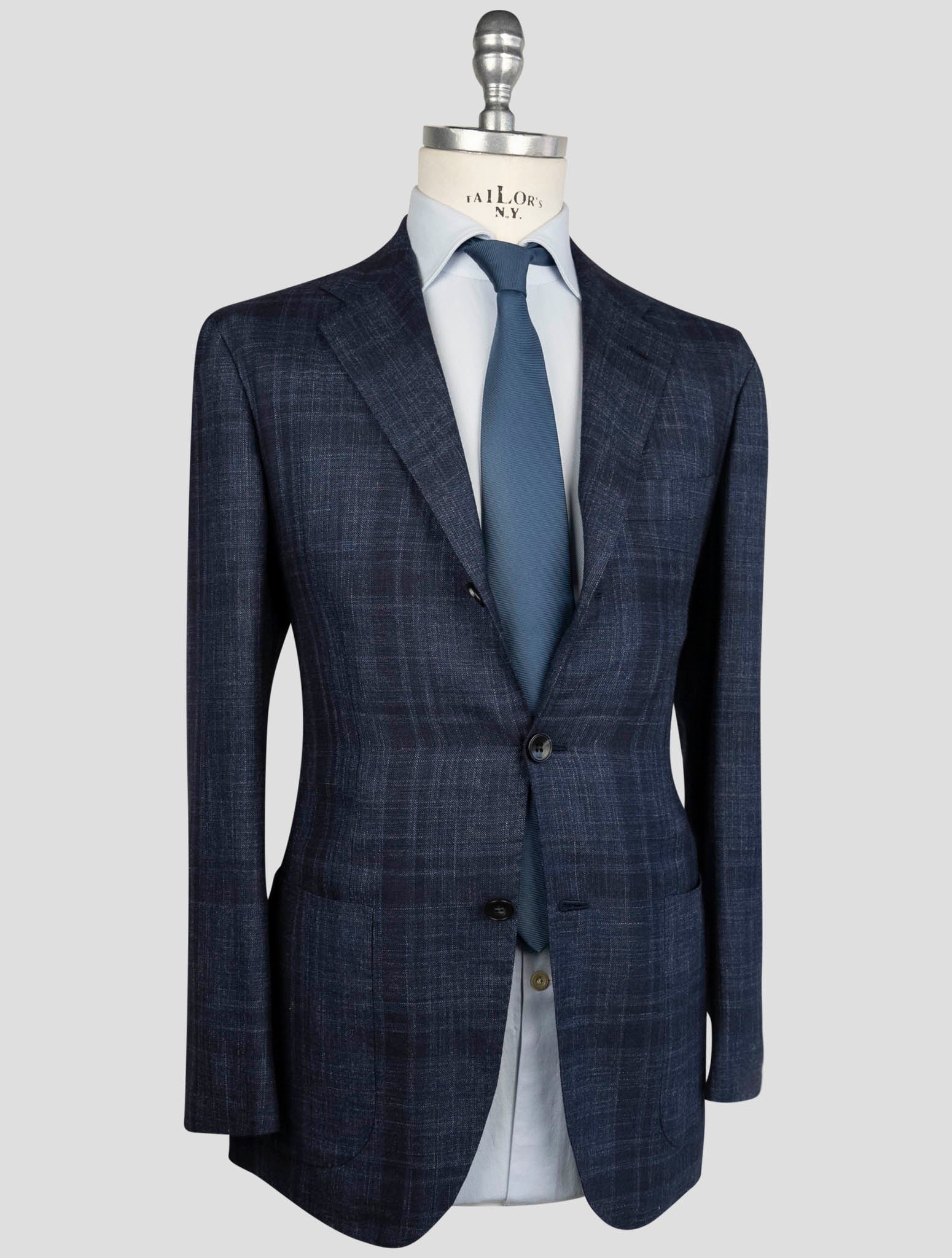
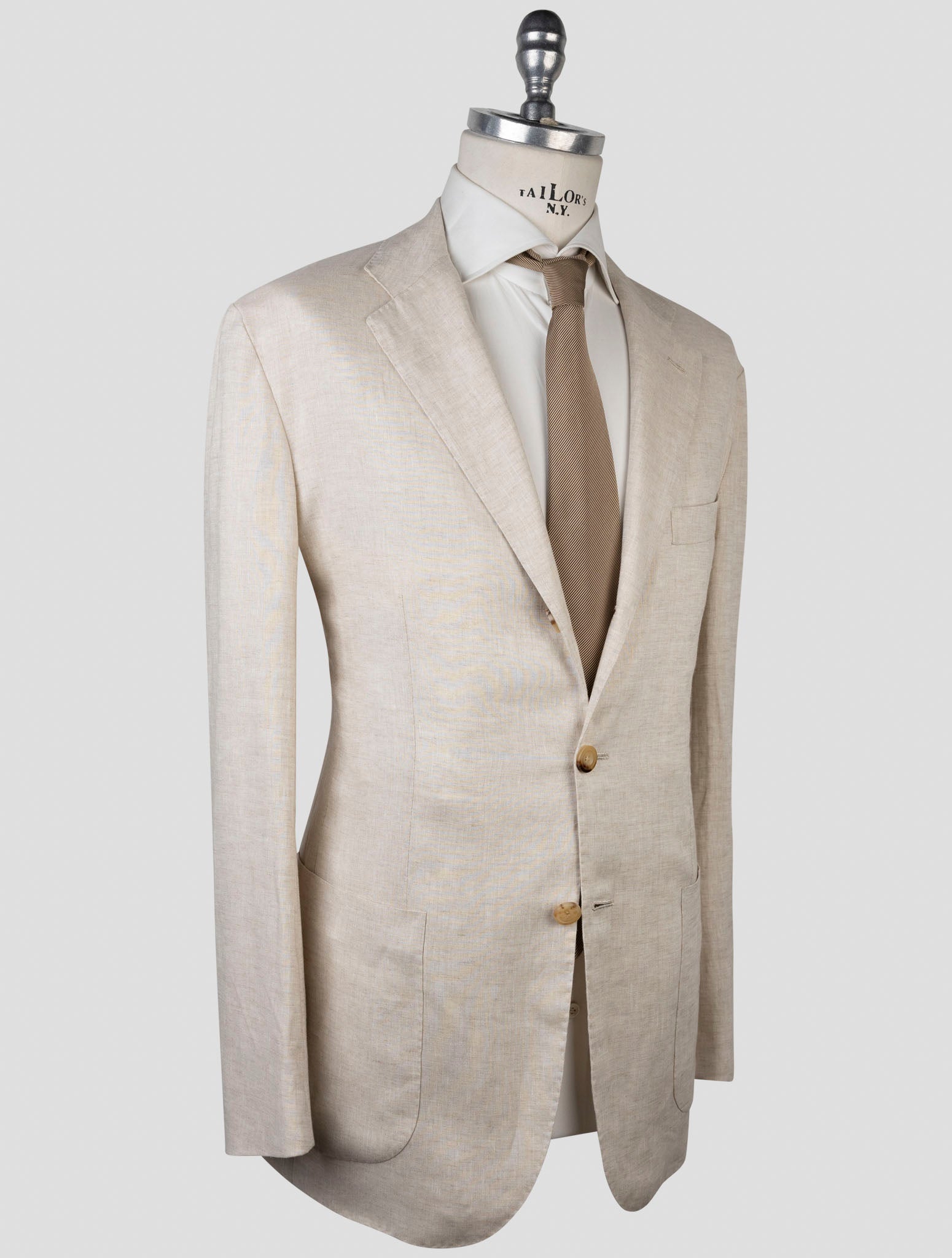
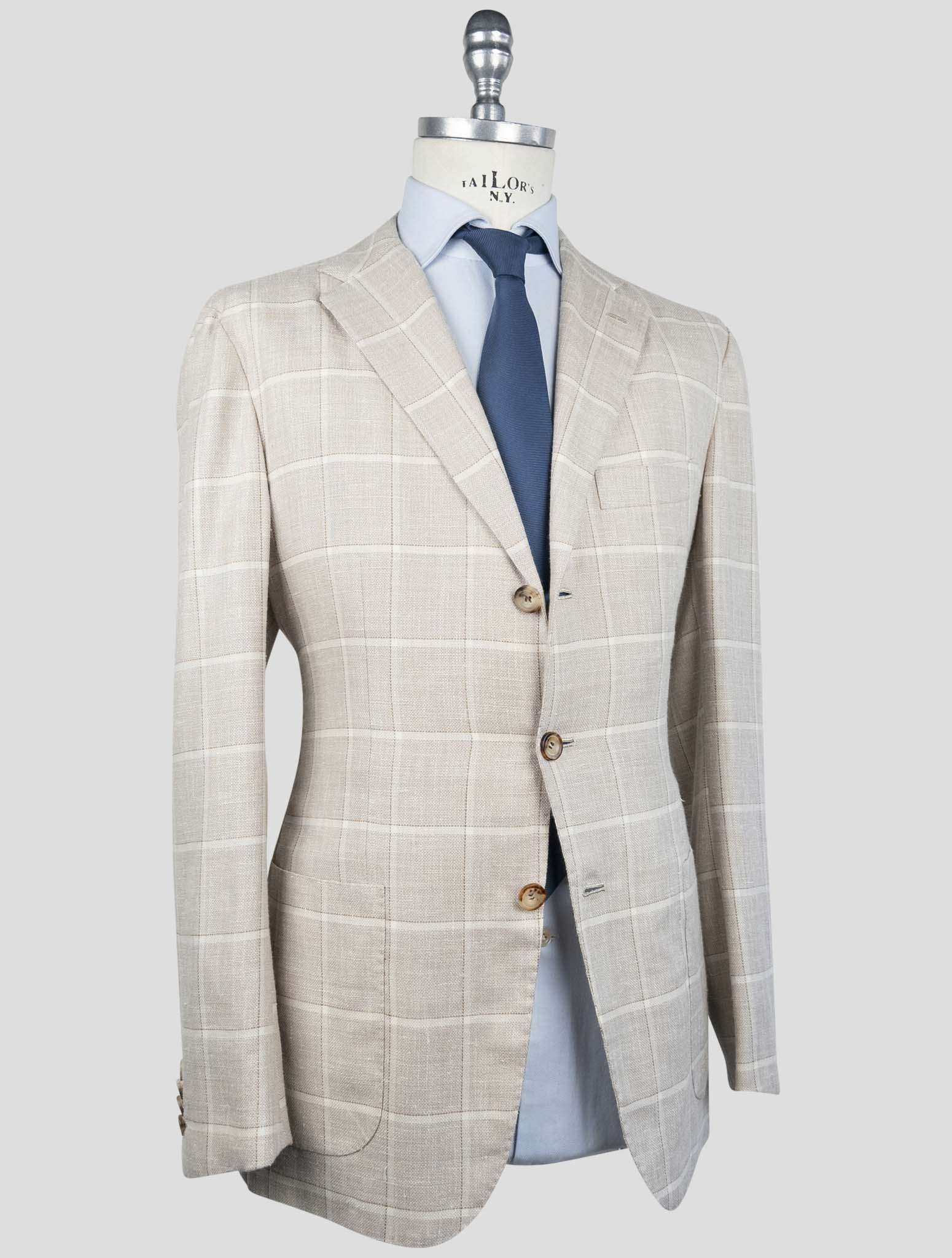
| What clothing best represents the Tailor’s Cut? | Pieces such as the Kiton Green Cashmere Silk Linen Suit highlight the soft structure typical of Neapolitan design. |
| How does lighting affect luxury fabrics? | High-quality lighting reveals texture, color nuance, and the drape of premium fabrics. |
| Where can tailored silhouettes be explored further? | Our tailored fit clothing collection highlights garments designed for precision proportions. |
| What makes Kiton garments unique? | Hand finishing, luxury fabrics, and refined Italian construction create a distinctive balance of comfort and structure. |
The Meaning Behind Designer’s Light and Tailor’s Cut
Designer’s Light refers to the role of illumination in revealing craftsmanship. Tailor’s Cut represents the precision shaping of fabric around the human body.
When both work together, garments communicate their quality immediately. Texture, color, and silhouette become visible without exaggeration.
Luxury tailoring relies on this harmony because every stitch, seam, and fiber deserves visibility. Proper light allows the cut to speak clearly.
Kiton embodies this concept through Italian craftsmanship and natural tailoring techniques.
Kiton and the Legacy of Neapolitan Tailoring
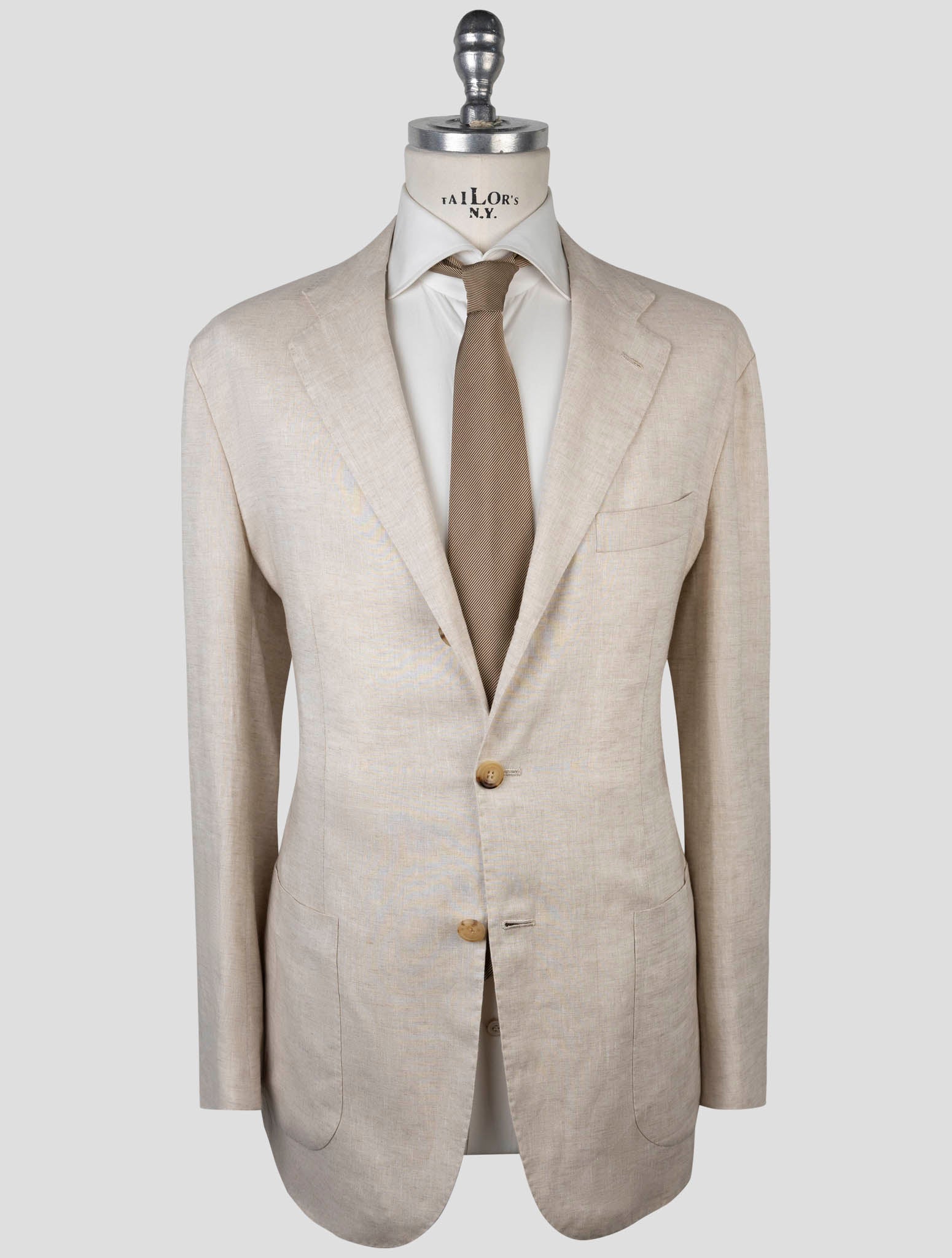
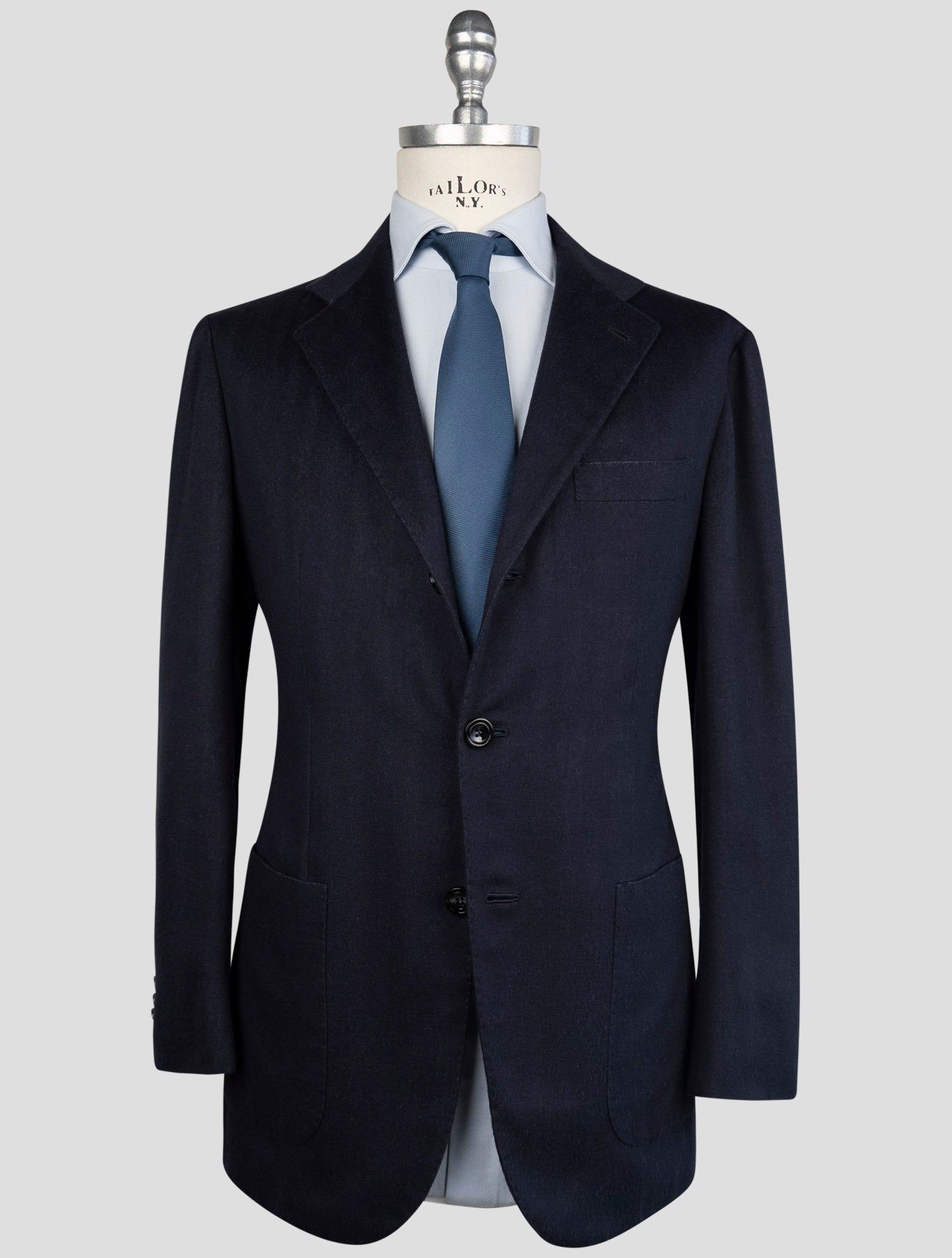
Kiton represents one of the most respected names in Italian tailoring. The brand follows the Neapolitan tradition of light construction and natural shoulders.
This approach avoids heavy internal structure and focuses on movement and comfort. The result is a garment that feels almost weightless.
The philosophy aligns perfectly with the idea of Designer’s Light. Minimal structure allows fabrics to reflect light naturally.
Every jacket and suit demonstrates how tailoring can balance precision with softness.

Luxury Fabric Under Designer’s Light
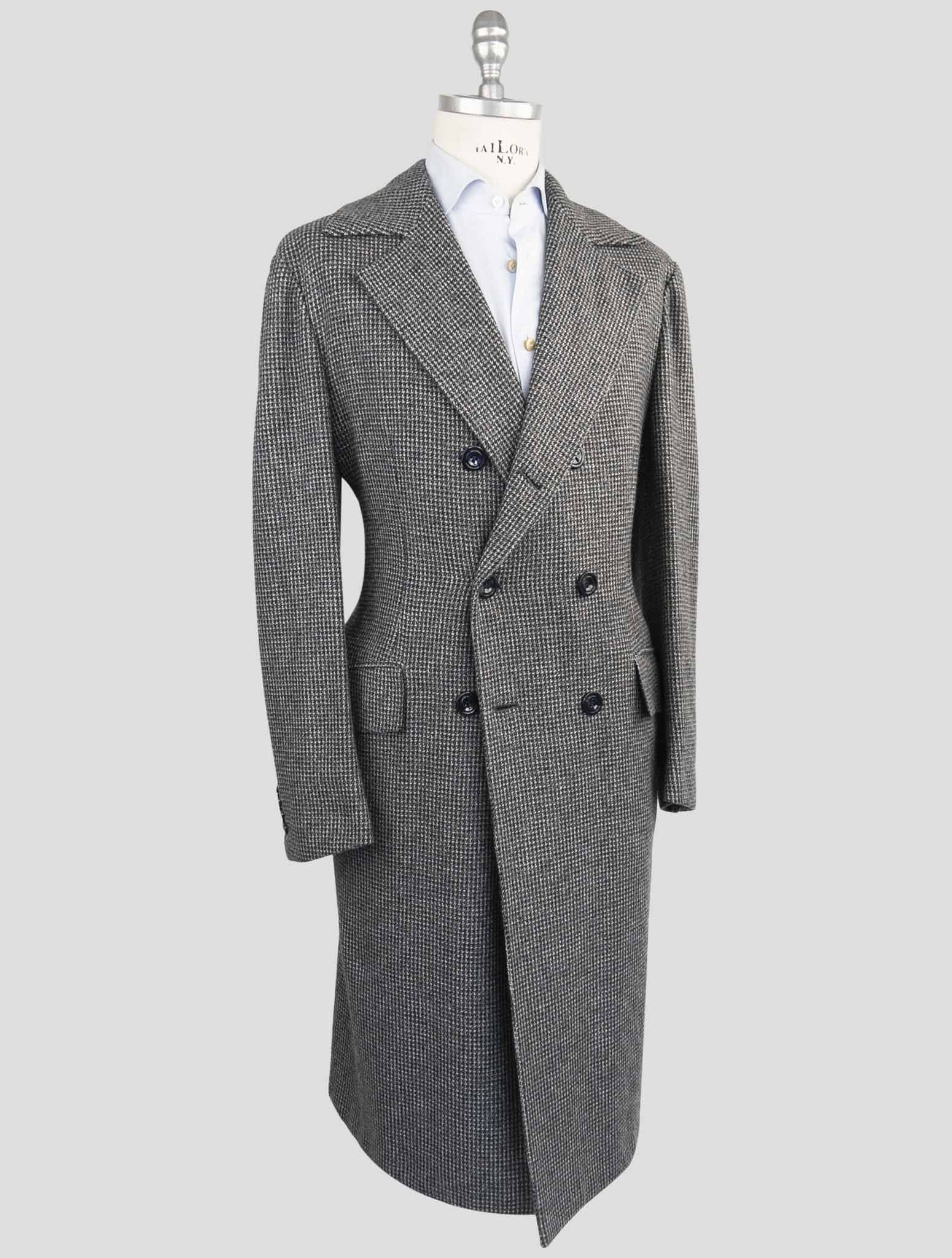
Lighting affects how luxury fabrics appear in motion and color. Cashmere, silk, and linen blends reveal subtle differences depending on illumination.
Designer’s Light ensures those nuances remain visible. It prevents shadows or distortion from hiding craftsmanship.
Kiton garments often use complex fabric blends that react beautifully to light. These combinations highlight the softness of Neapolitan construction.
That level of craftsmanship becomes visible only when lighting reveals every stitch and fold.


Five Visual Elements That Define the Tailor’s Cut
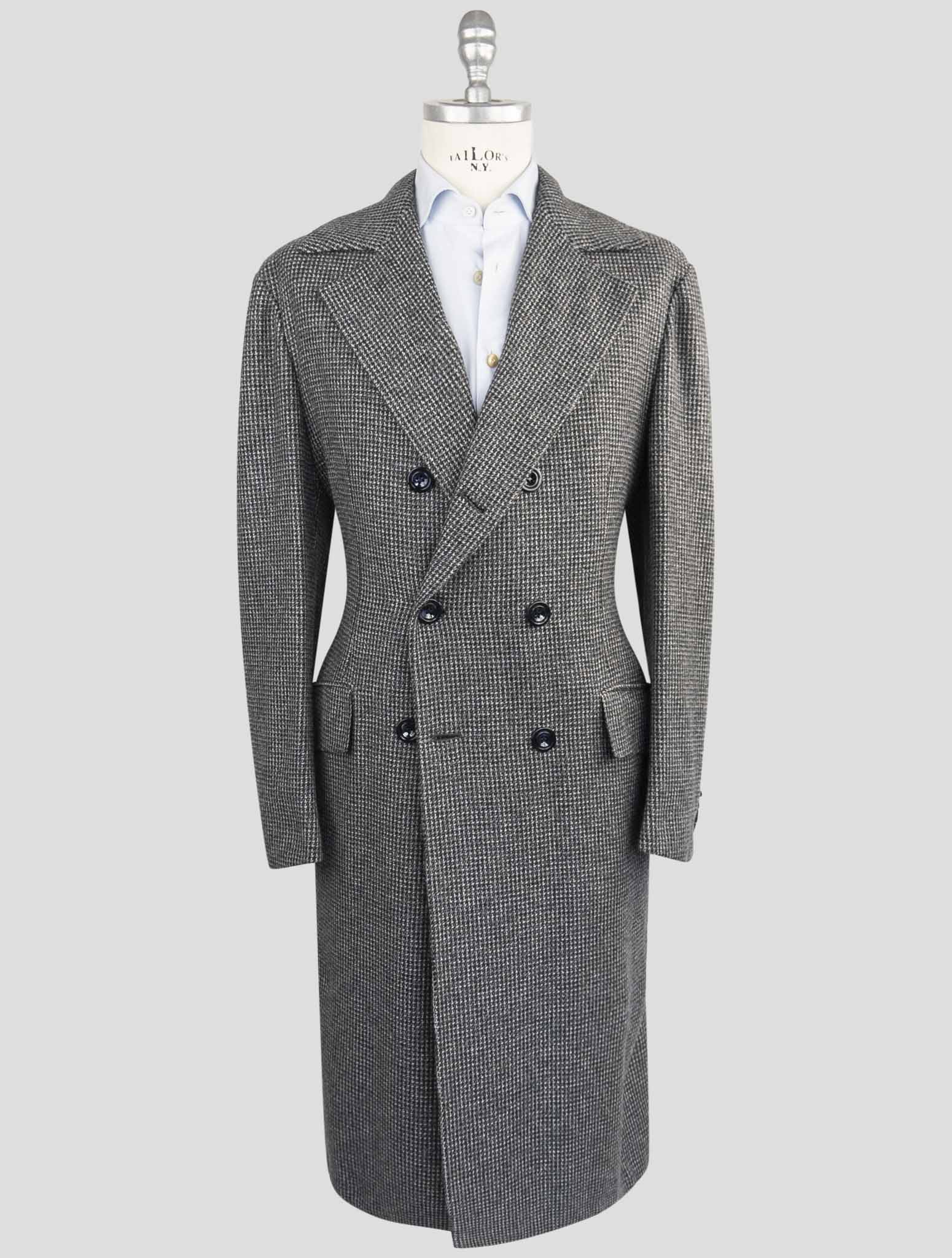
The Tailor’s Cut is visible through specific construction techniques. These details separate handmade tailoring from factory garments.
- Soft Neapolitan shoulder
- Light internal canvas
- Precise lapel roll
- Natural sleeve rotation
- Balanced silhouette
These features become clearer when garments are properly illuminated.
When lighting and tailoring align, the garment communicates both craft and design.
Why Light Matters in Fashion Spaces
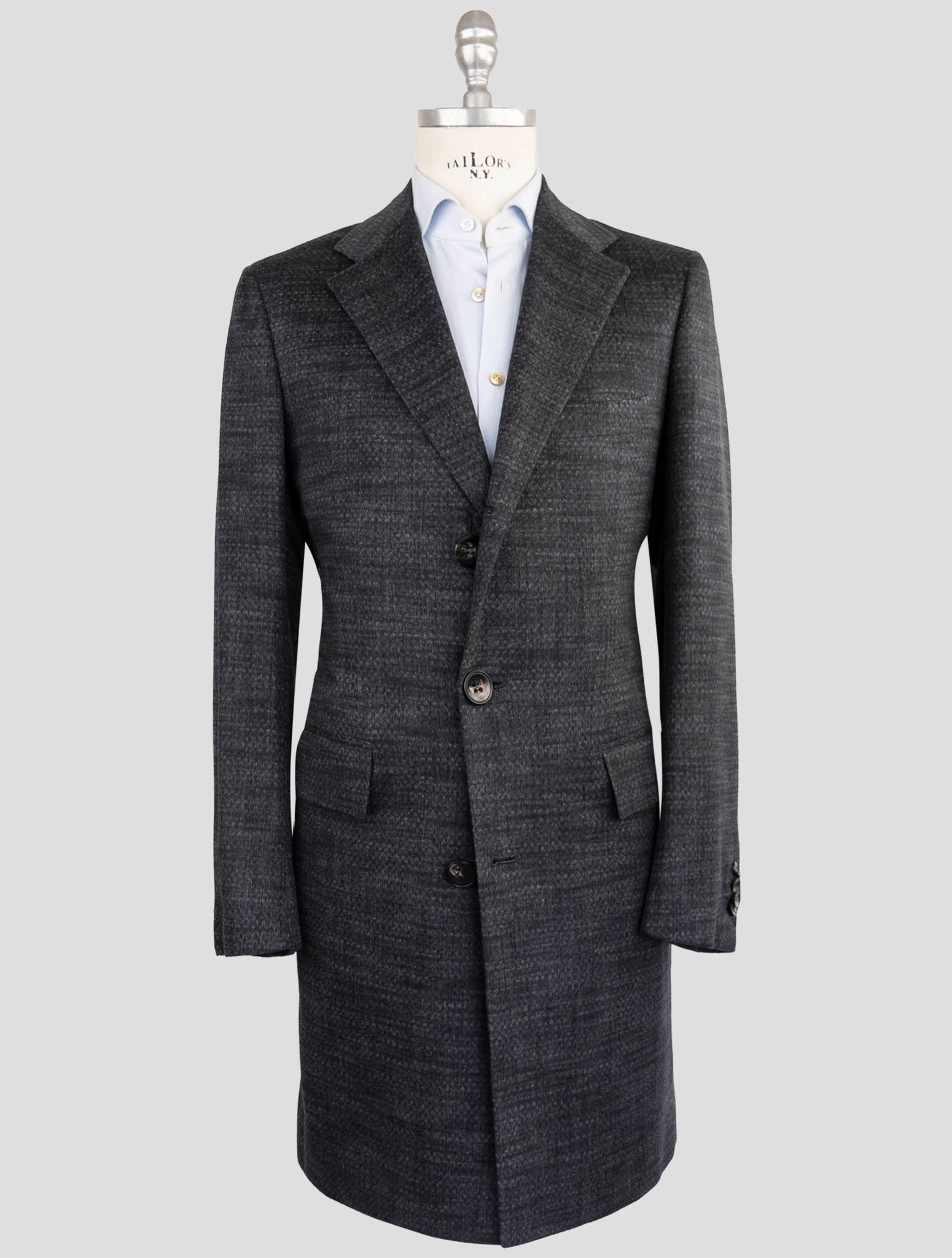
Fashion retail now treats lighting as a design tool rather than a technical requirement. Proper illumination reveals the quality of materials.
Luxury fabrics respond differently depending on light intensity and color temperature. High-end retail environments prioritize accuracy.
This ensures garments look identical in the showroom and in daylight.
Designer’s Light allows tailoring craftsmanship to remain authentic.
Precision Craftsmanship Behind the Tailor’s Cut
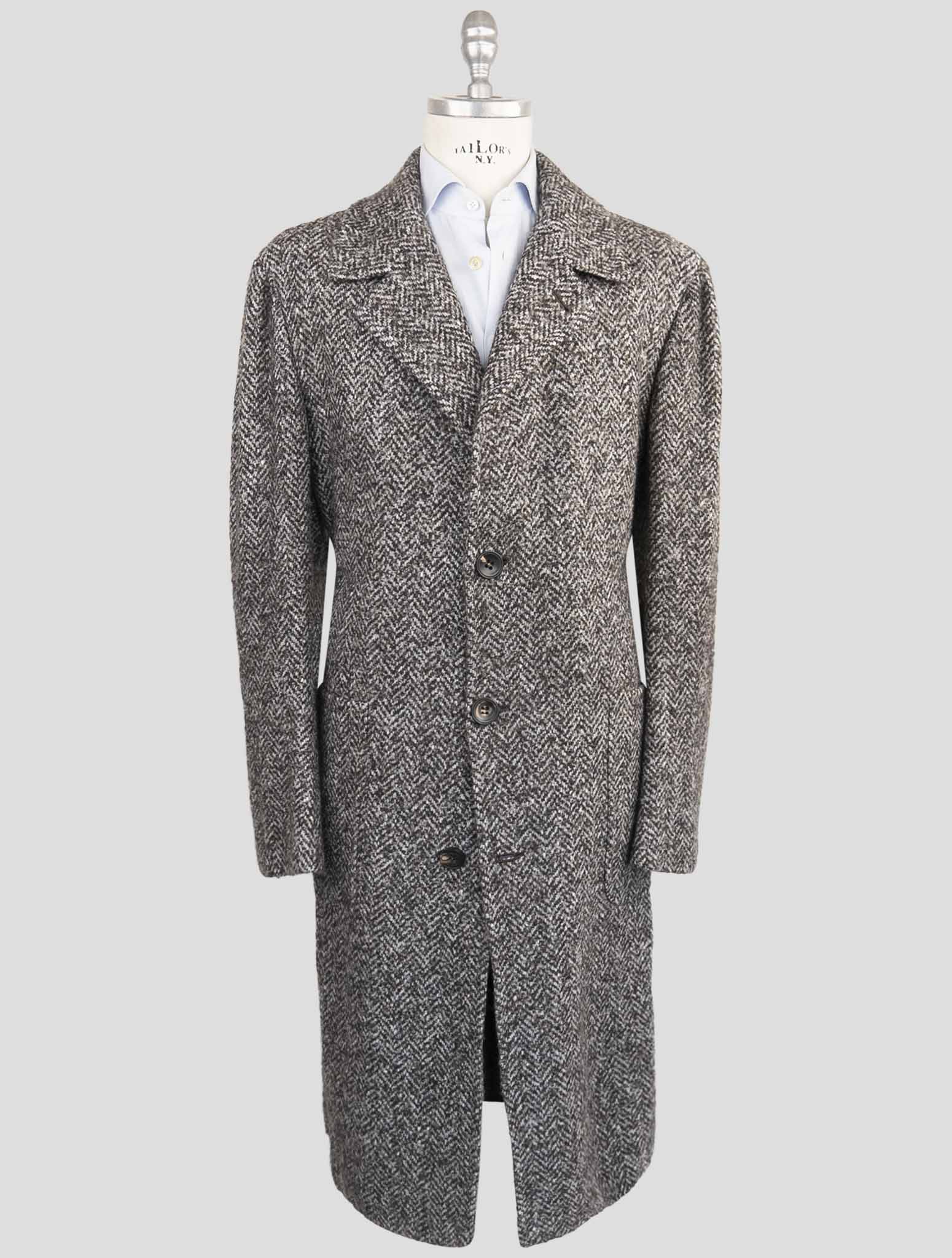
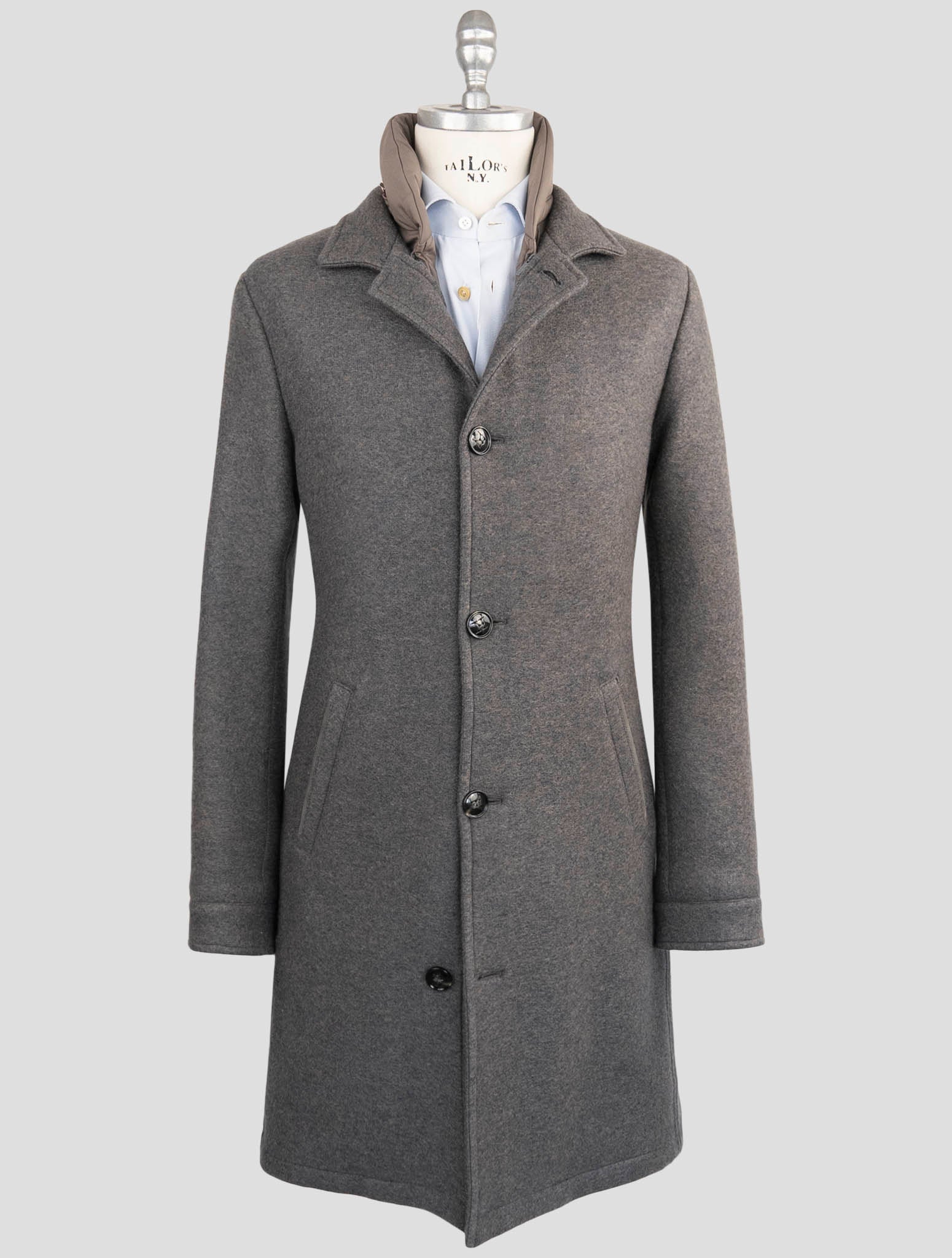
The Tailor’s Cut represents human expertise rather than automation. Each garment passes through numerous skilled hands.
Every stage includes pattern cutting, shaping, stitching, and finishing.
This level of detail explains why the final silhouette appears effortless.
The Relationship Between Fabric, Form, and Light
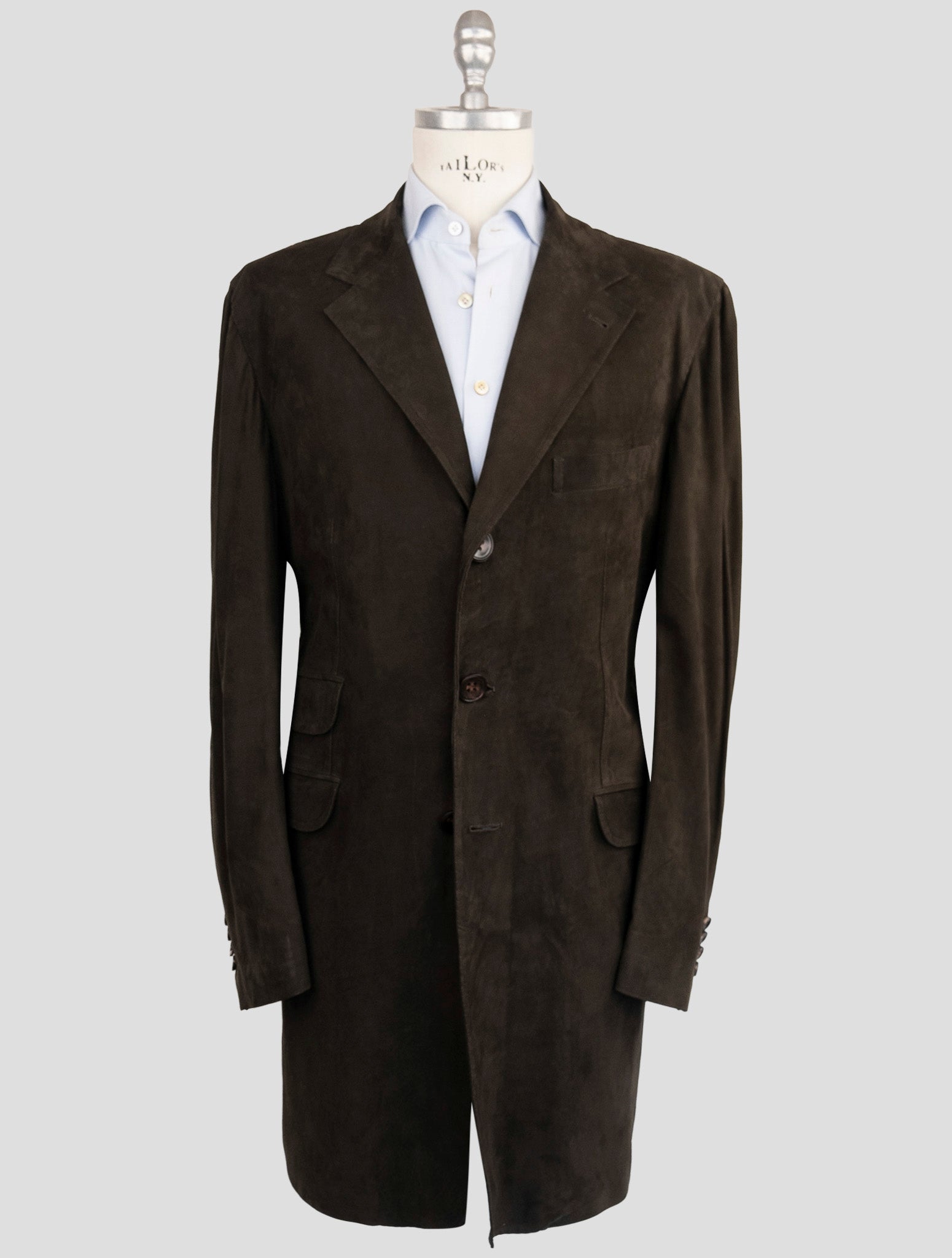
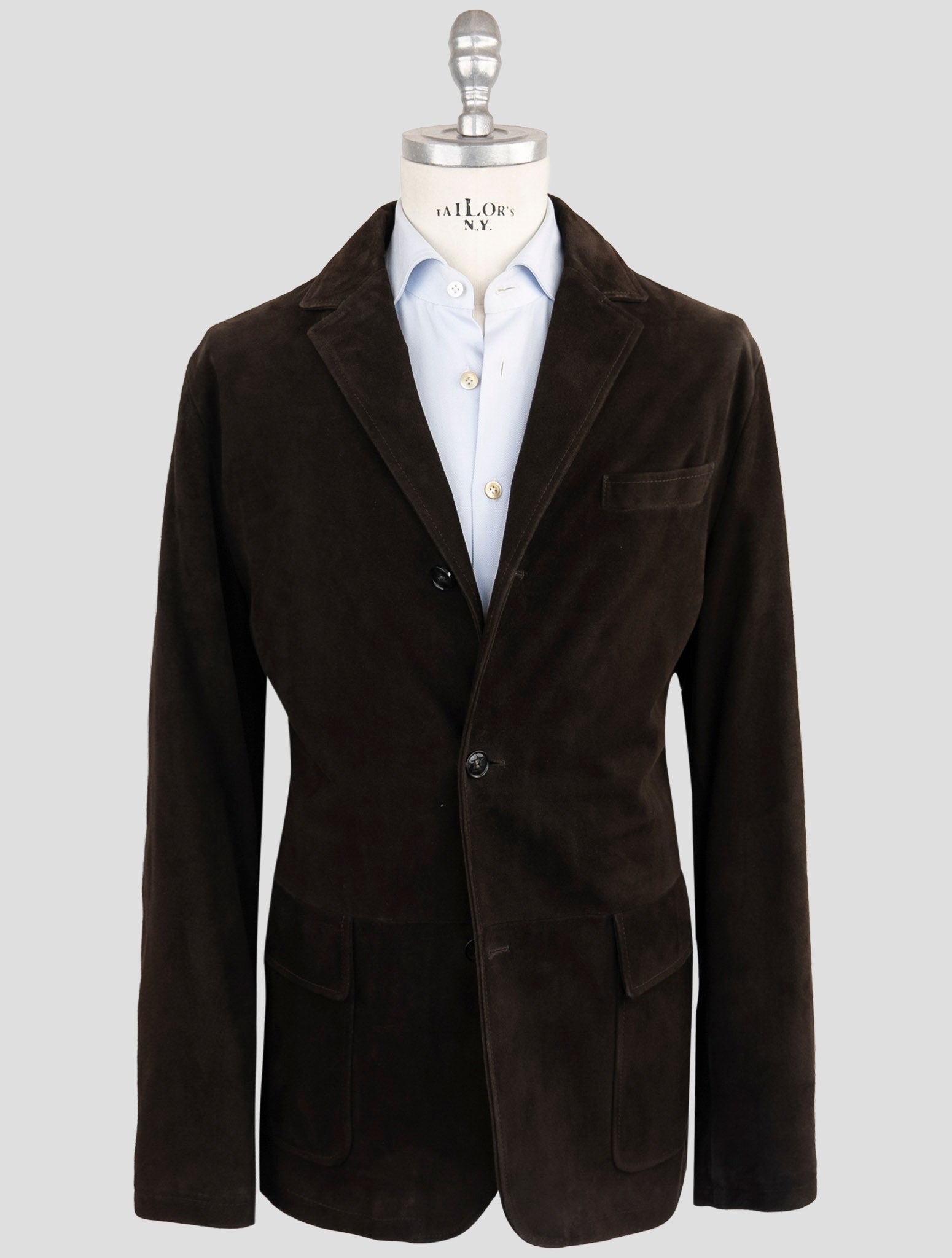
Luxury garments behave differently under light because fabrics carry complex structures. Cashmere reflects softly while silk adds subtle shine.
Linen introduces texture that changes as the wearer moves.
These characteristics make the Tailor’s Cut more visible. Proper lighting reveals drape, folds, and color variation.
Designers rely on this relationship when presenting garments in exhibitions and showrooms.
How Modern Exhibitions Highlight Craftsmanship
Design events like Light + Building demonstrate how technology and craftsmanship intersect. Lighting designers collaborate with fashion houses to present garments accurately.
Exhibition lighting must replicate natural daylight. This ensures fabrics appear true to color and texture.
For tailoring houses, this environment offers the perfect stage. Visitors can see the full effect of the Tailor’s Cut.
The result is a presentation that respects both design and craft.
Conclusion
Designer’s Light and Tailor’s Cut represent two sides of the same idea. One reveals craftsmanship, the other creates it.
Kiton demonstrates how light, fabric, and tailoring combine to produce garments that communicate quality immediately. At Light + Building 2026, this relationship becomes visible to thousands of designers, architects, and fashion professionals.
When illumination highlights the precision of Neapolitan tailoring, every stitch, fabric blend, and silhouette becomes clear. That clarity defines the enduring appeal of Italian craftsmanship.